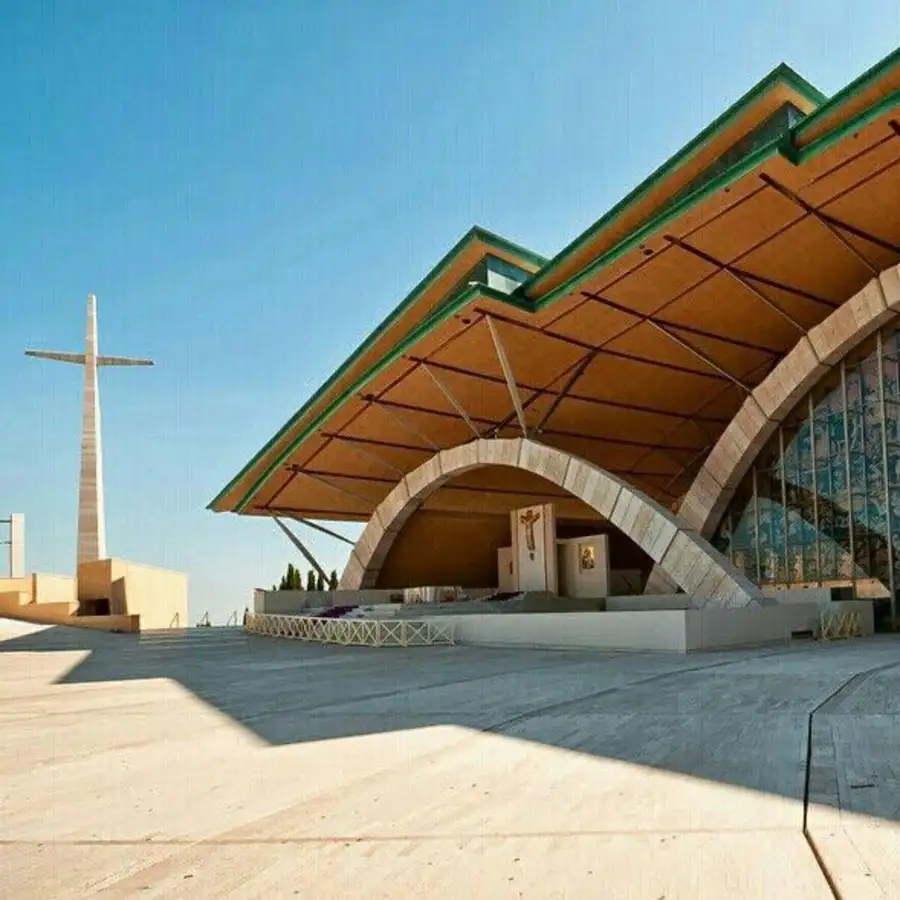
14 hr
Padre Pio Shrine & St. Michael's Cave Day Trip from Rome
- Expert local guide
- Small group
- Skip-the-line access
- Free cancellation
Padre Pio Shrine Tour From Rome — Day Trips to San Giovanni Rotondo
Cross Apulia to the shrine of the stigmatist friar, where prayer and pilgrimage converge in the Gargano foothills
Compare fares, pick the fit — all bookings are mobile-voucher and eligible for free cancellation where shown.
14 hr
12 hr
2 hr
Planning your visit to the Sanctuary of Saint Pio of Pietrelcina is a meaningful undertaking, with options ranging from independent exploration to guided group experiences for your padre pio shrine tour from rome.
|
Top pick Independent Visit Self-Guided Access |
Guided Pilgrimage Professional Tour | |
|---|---|---|
| Entrance Fee | 0 EUR | 0 EUR |
| Access Areas | Full Sanctuary Complex | Full Sanctuary Complex |
| Scheduling | Flexible Arrival | Fixed Schedule |
| Best Arrival Window | 07:00–10:00 | 07:00–10:00 |
| Inclusions | Shrine and Crypt | Expert Narrative and History |
| Best For | First-time visitors | History-focused pilgrims |
| See tickets & prices |
Verdict: Most travelers find the independent visit ideal for prayerful reflection, though those seeking deeper historical context may prefer a structured padre pio shrine tour from rome ticket.
Worth it for pilgrims and faith-focused travelers
A padre pio shrine tour from rome delivers meaningful value if you're drawn to pilgrimage sites and the legacy of Padre Pio of Pietrelcina. The day trip spans roughly 10–12 hours round-trip, covering the 370 km journey to San Giovanni Rotondo in Puglia. You'll visit the sanctuary where Padre Pio lived and is entombed, the modernist church designed by Renzo Piano, and often St. Michael's Cave at Monte Sant'Angelo—a UNESCO World Heritage site and one of Europe's oldest pilgrimage destinations. Group tours include transport and a guide who contextualizes Padre Pio's stigmata, healing ministry, and canonization under Pope John Paul II; private options offer flexible pacing. The sanctuary itself is free to enter, but the structured itinerary and expert commentary justify the cost for those seeking spiritual depth rather than casual sightseeing. Secular travelers may find the long drive less rewarding than Rome's own basilicas.
Bottom line: Padre pio shrine tour from rome tours are a compelling choice for pilgrims ready to invest a full day in one of Italy's most venerated 20th-century saints.
They complement each other; most visitors who do both call the Sanctuary of Saint Pio of Pietrelcina the more emotional experience, while the Monte Sant'Angelo site is the more ancient historical landmark.
|
Top pick Padre Pio Shrine |
Monte Sant'Angelo | |
|---|---|---|
| Primary Focus | St. Pio of Pietrelcina relics | St. Michael the Archangel grotto |
| Travel from Rome | Typically part of guided tours | Connected via nearby pilgrimage routes |
| Entrance Fee | 0 EUR (Free entry) | Varies by site section |
| Best Time to Visit | 07:00–10:00 (quietest) | Spring or autumn (moderate weather) |
| Duration of Visit | 2–4 hours | 1–2 hours |
| Spiritual History | Modern (canonized 2002) | Ancient (since 5th century) |
| Site Type | Renzo Piano designed Basilica | UNESCO World Heritage cave church |
| See tickets & prices |
Verdict: If you are seeking a profound connection with a modern saint, the padre pio shrine tour from rome is essential, whereas those prioritizing ancient architectural history should ensure their padre pio shrine tour from rome itinerary includes the nearby Monte Sant'Angelo.
Hand-picked experiences loved by thousands of travelers
2.5 - 4 hours
Free Cancellation
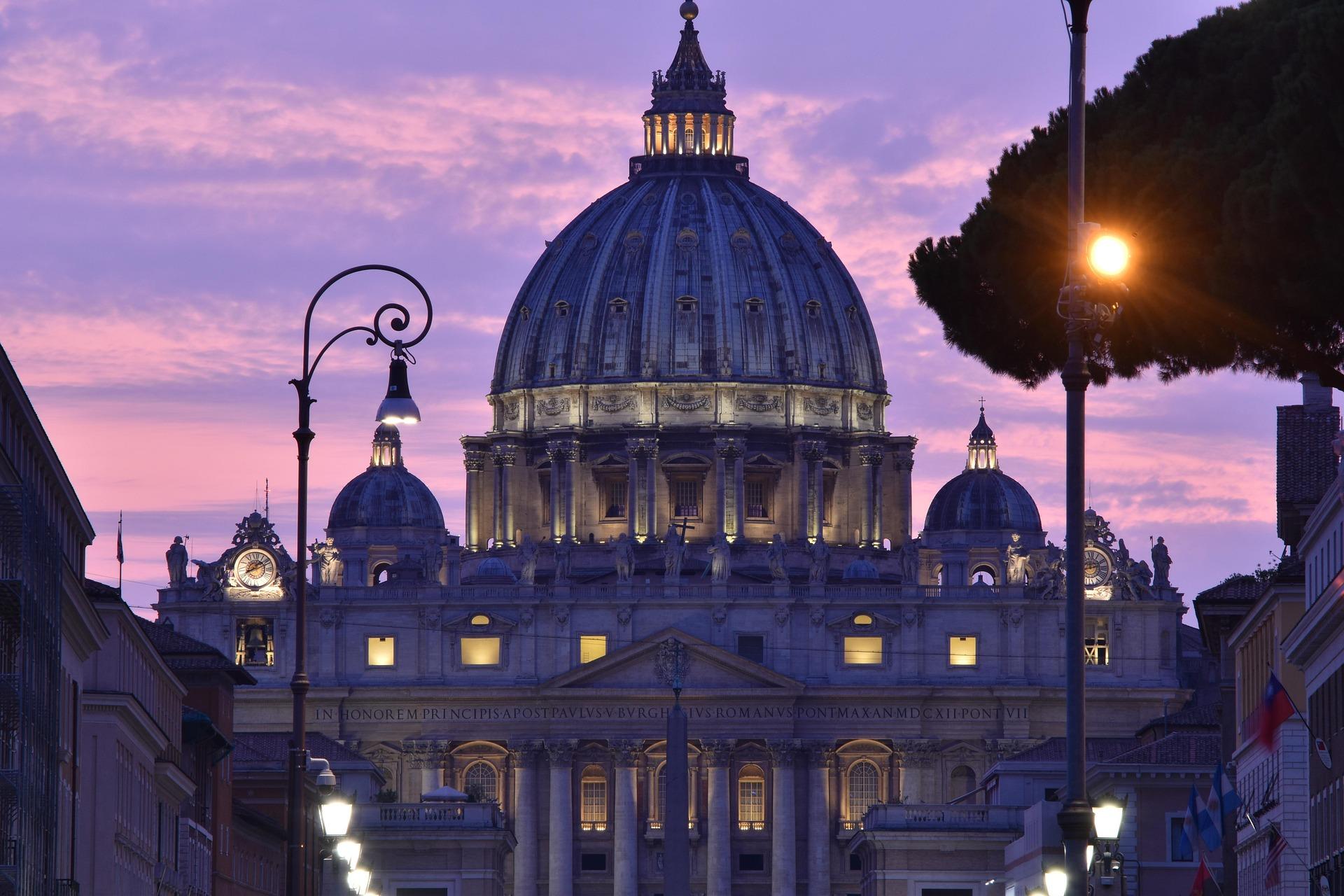
Beat the crowds and discover Renaissance masterpieces with expert commentary, Sistine Chapel access, and optional Dome climb.
1 hour
Free Cancellation
Explore one of Rome's four great papal basilicas with a guide who brings its art and history to life
3 hours
Free Cancellation
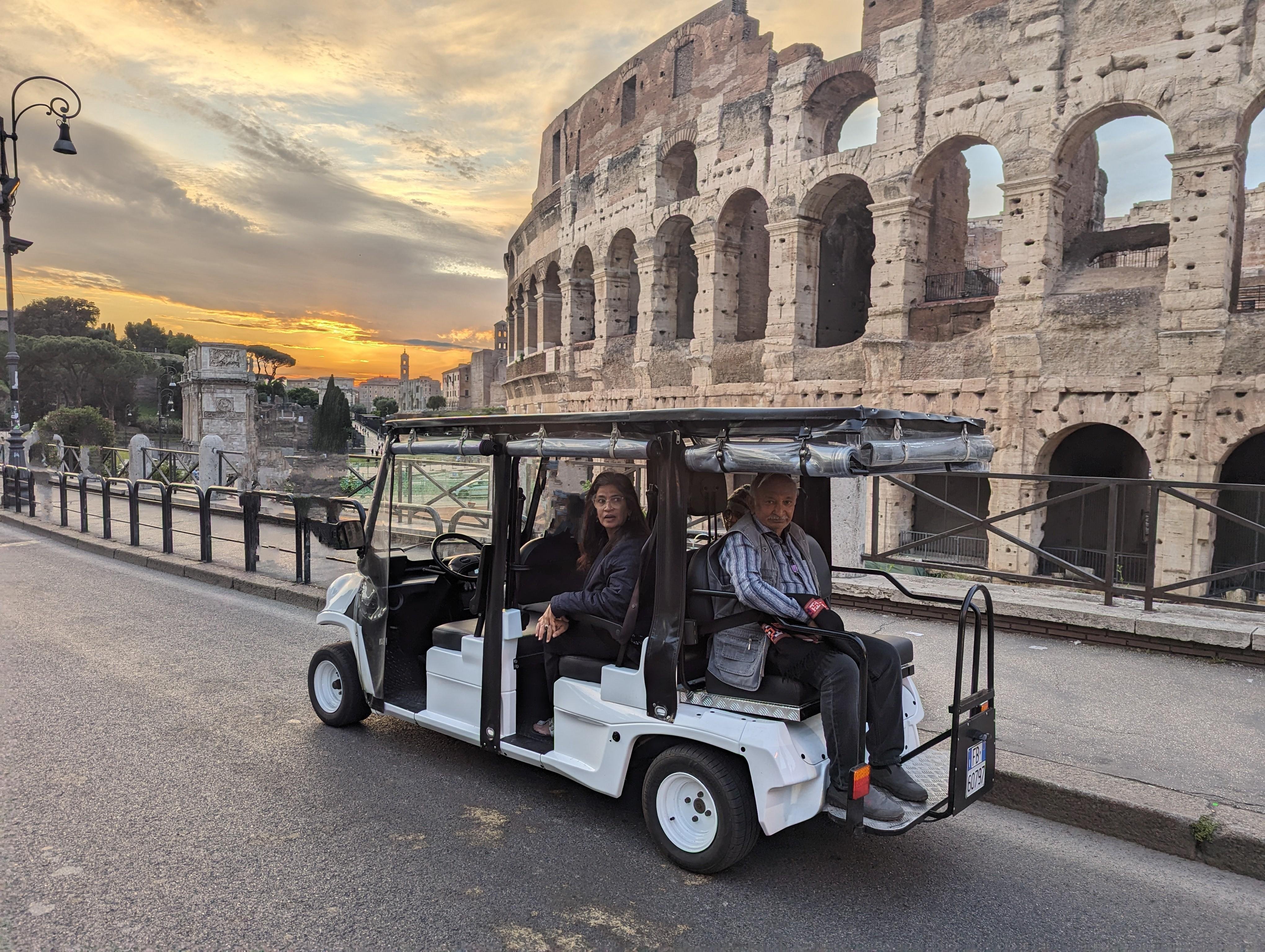
Travel by golf cart to Rome's holiest sites, from St. Peter's Square to the Holy Stairs and relics of the True Cross.
2.5 hours
Free Cancellation
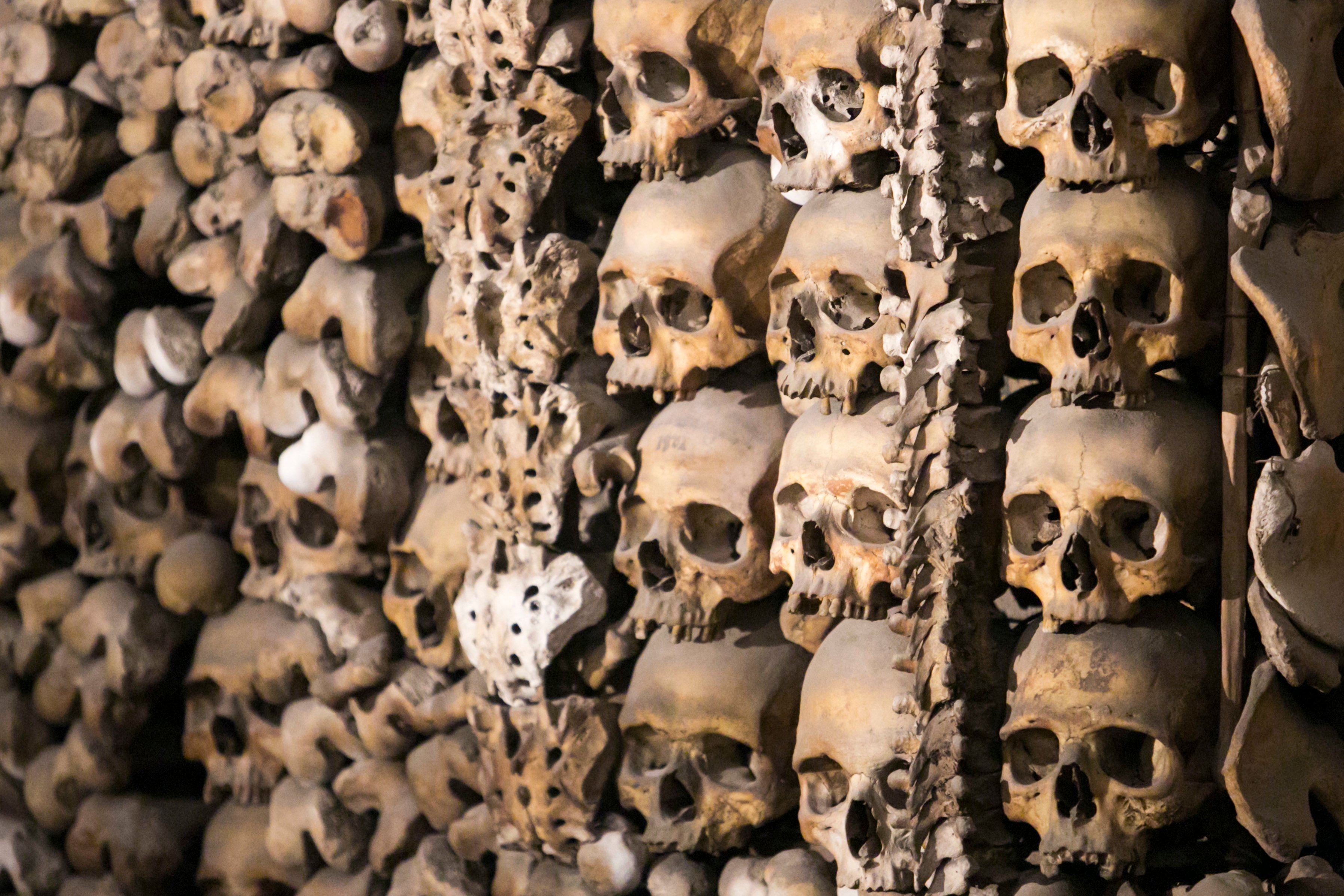
Venture beneath Rome's streets to explore bone-decorated chapels and ancient Christian burial tunnels
1.5 - 4 hours
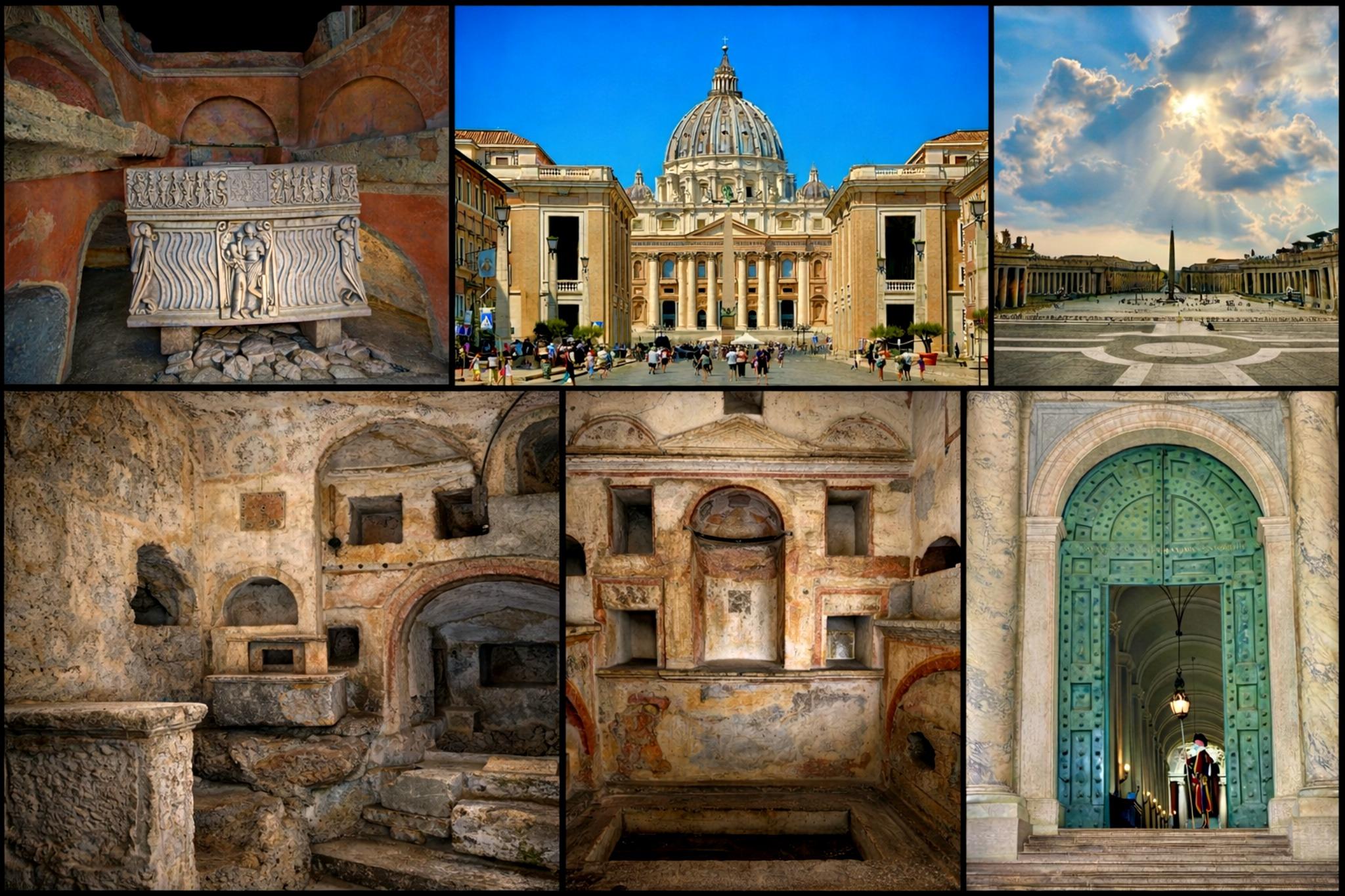
Journey from ancient burial grounds to the summit of Rome's most iconic dome on this exclusive Vatican experience
3 hours
Free Cancellation
Explore Rome's most sacred churches on a spiritual journey through centuries of Catholic history
3 hours
Free Cancellation
Navigate the Papal collection with an expert guide on this personalized 3-hour Vatican experience.
2.5 hours
Free Cancellation
Join the Pope's weekly gathering in St. Peter's Square with expert guidance and entry assistance
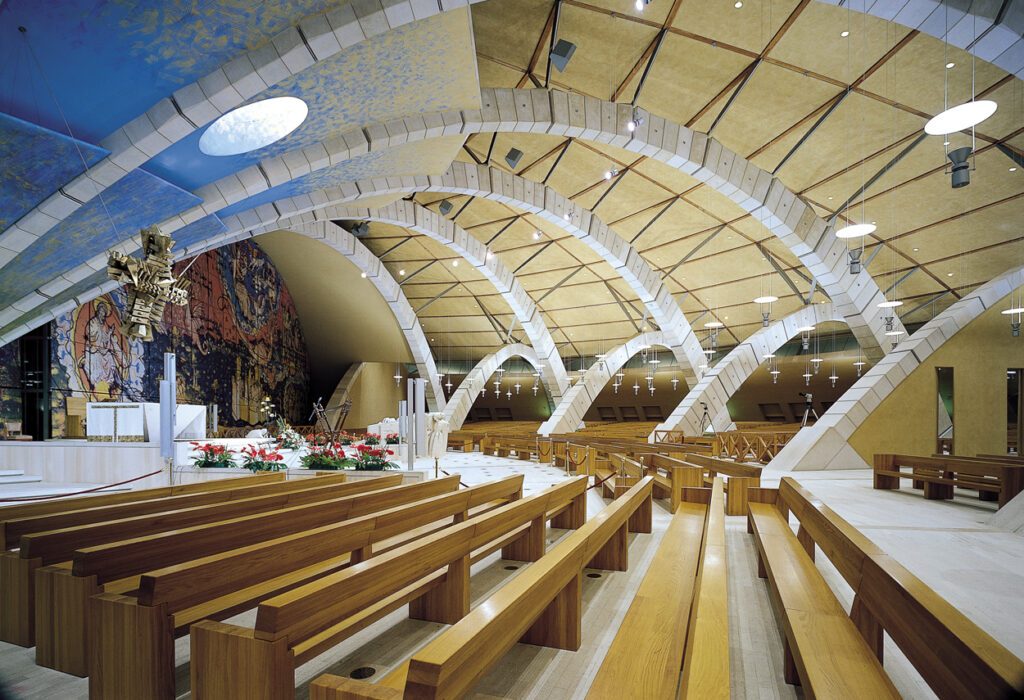
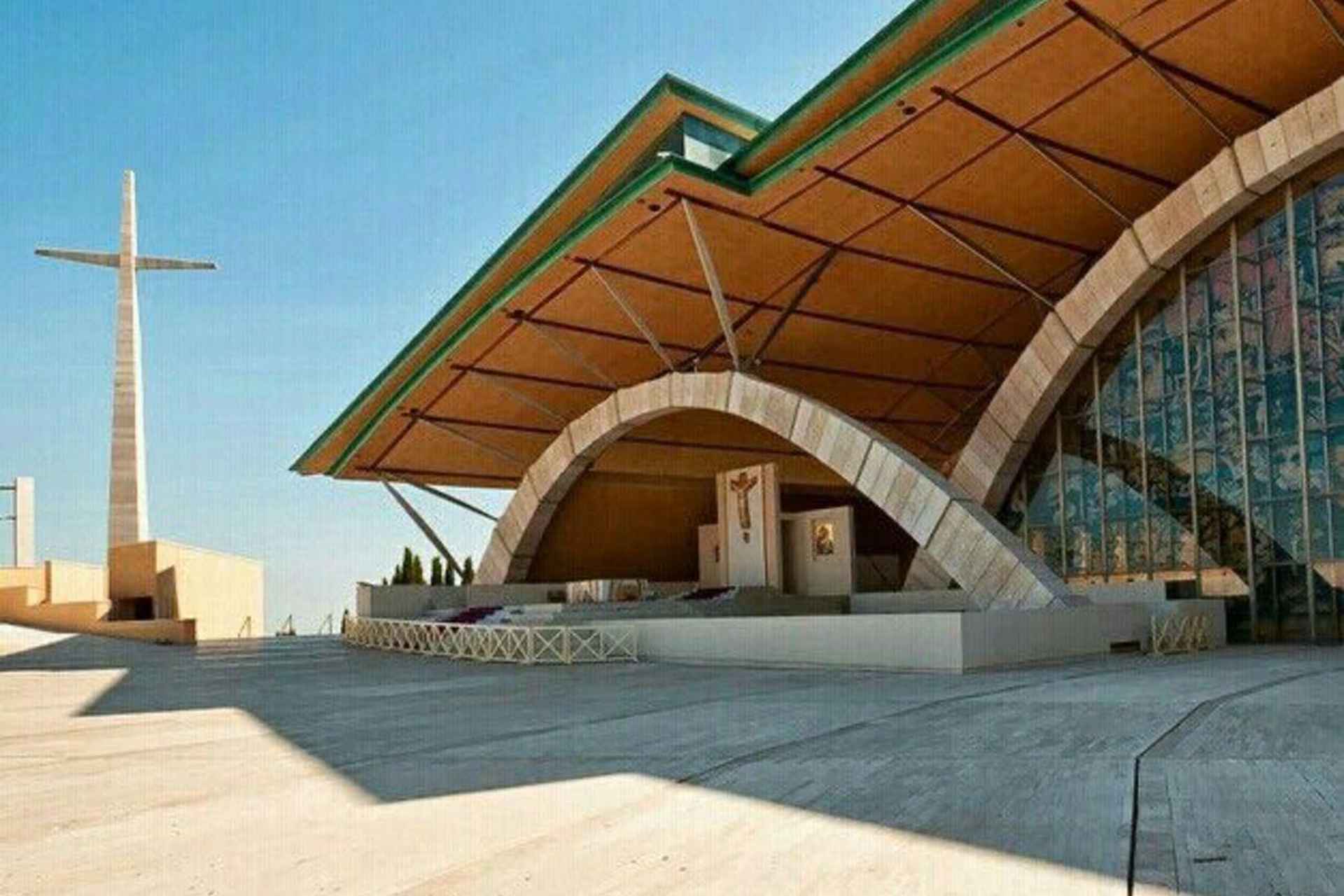
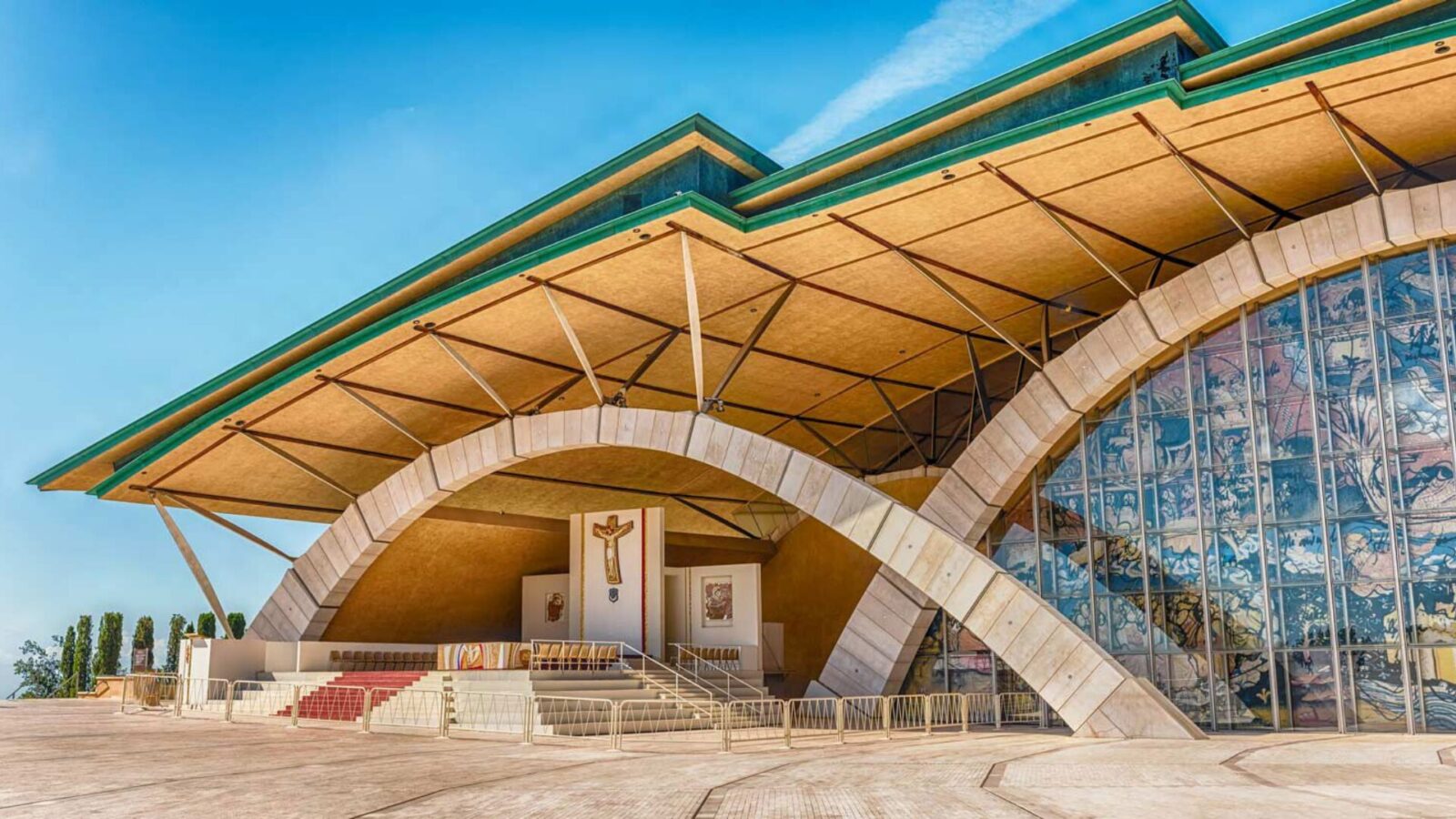
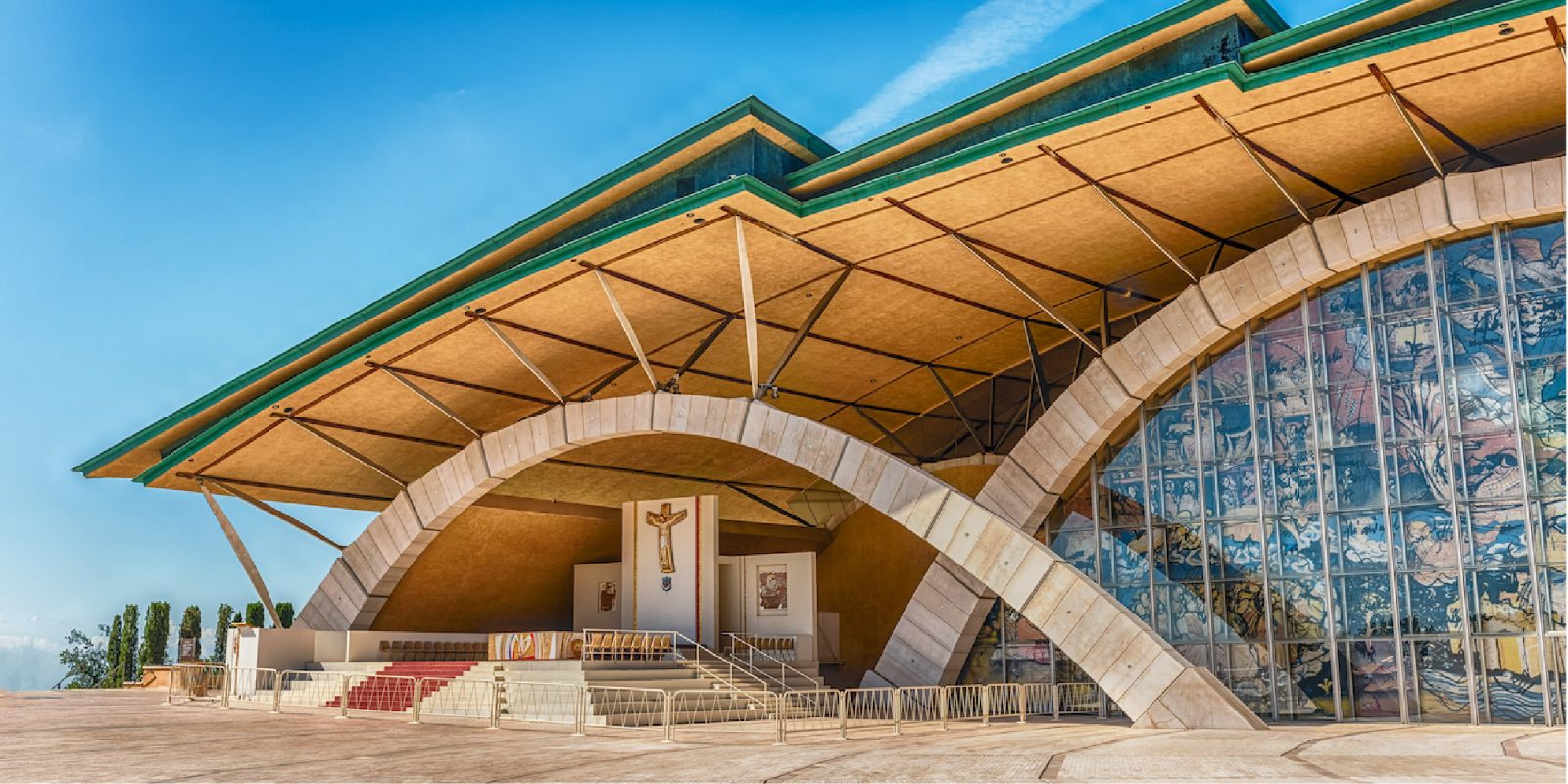
Large modern sanctuary capable of holding 6,500 people during services.
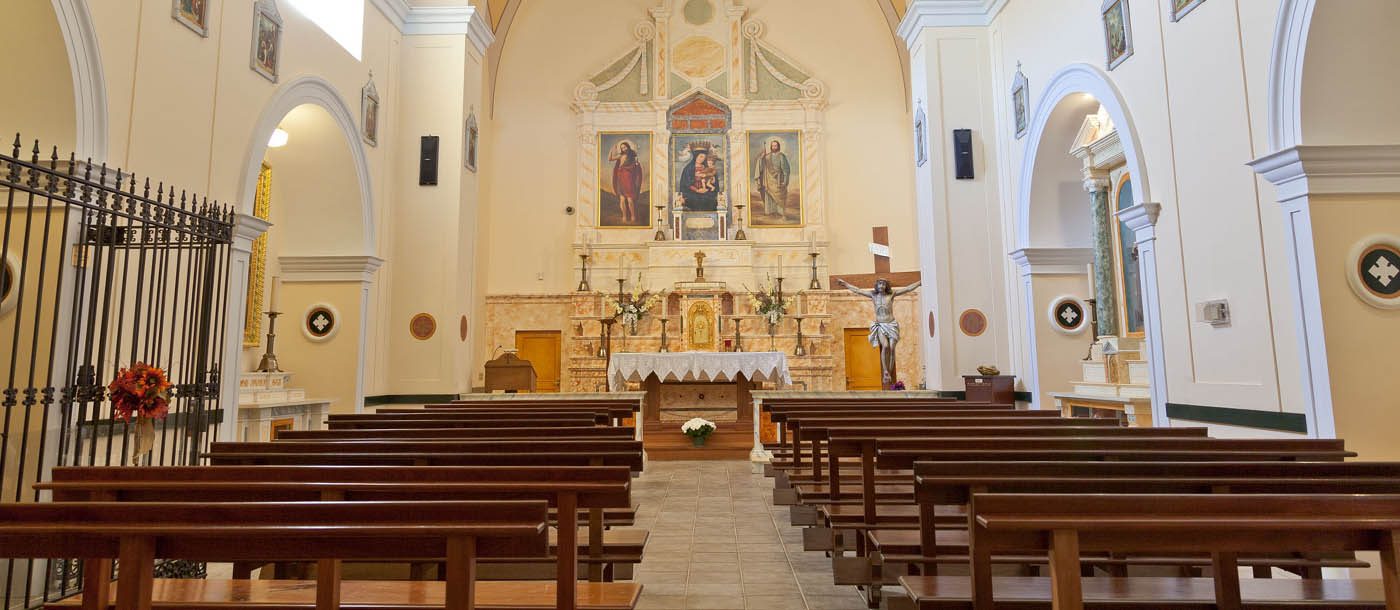
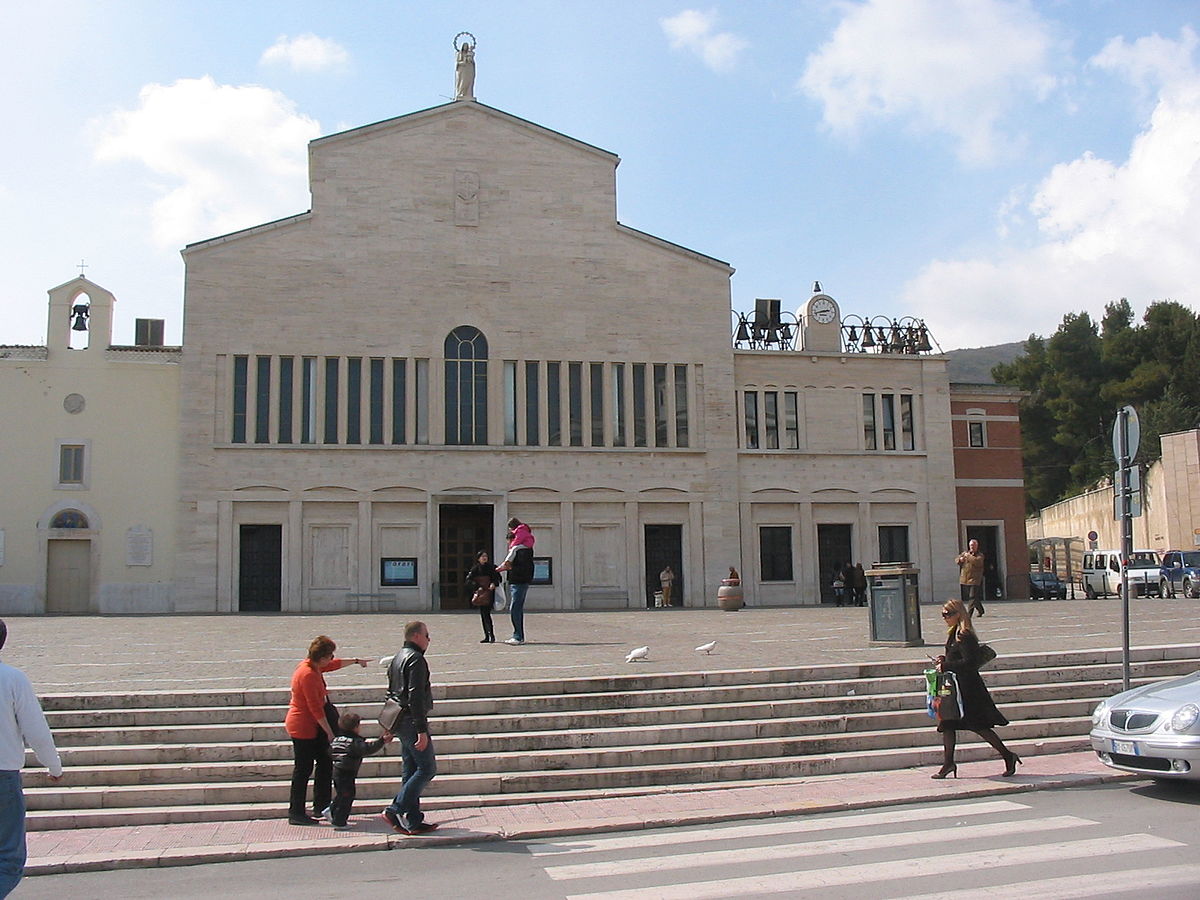
The historic site where the saint lived and prayed for many years.
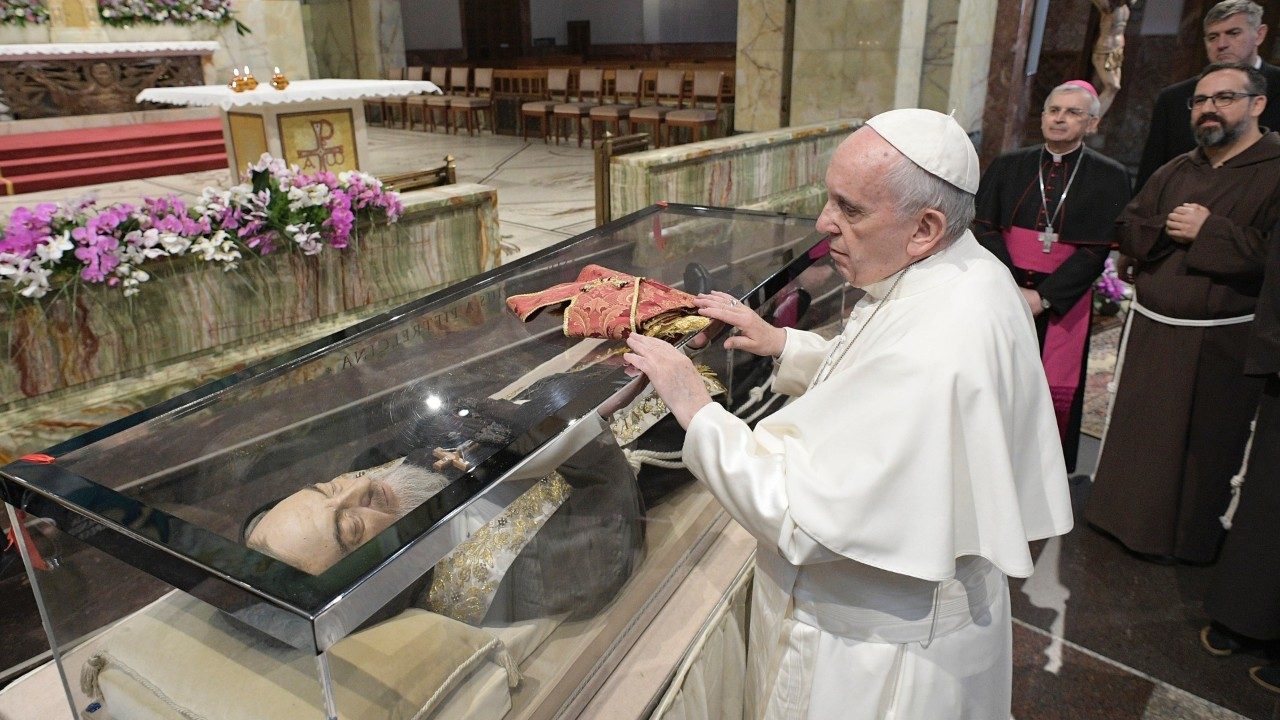
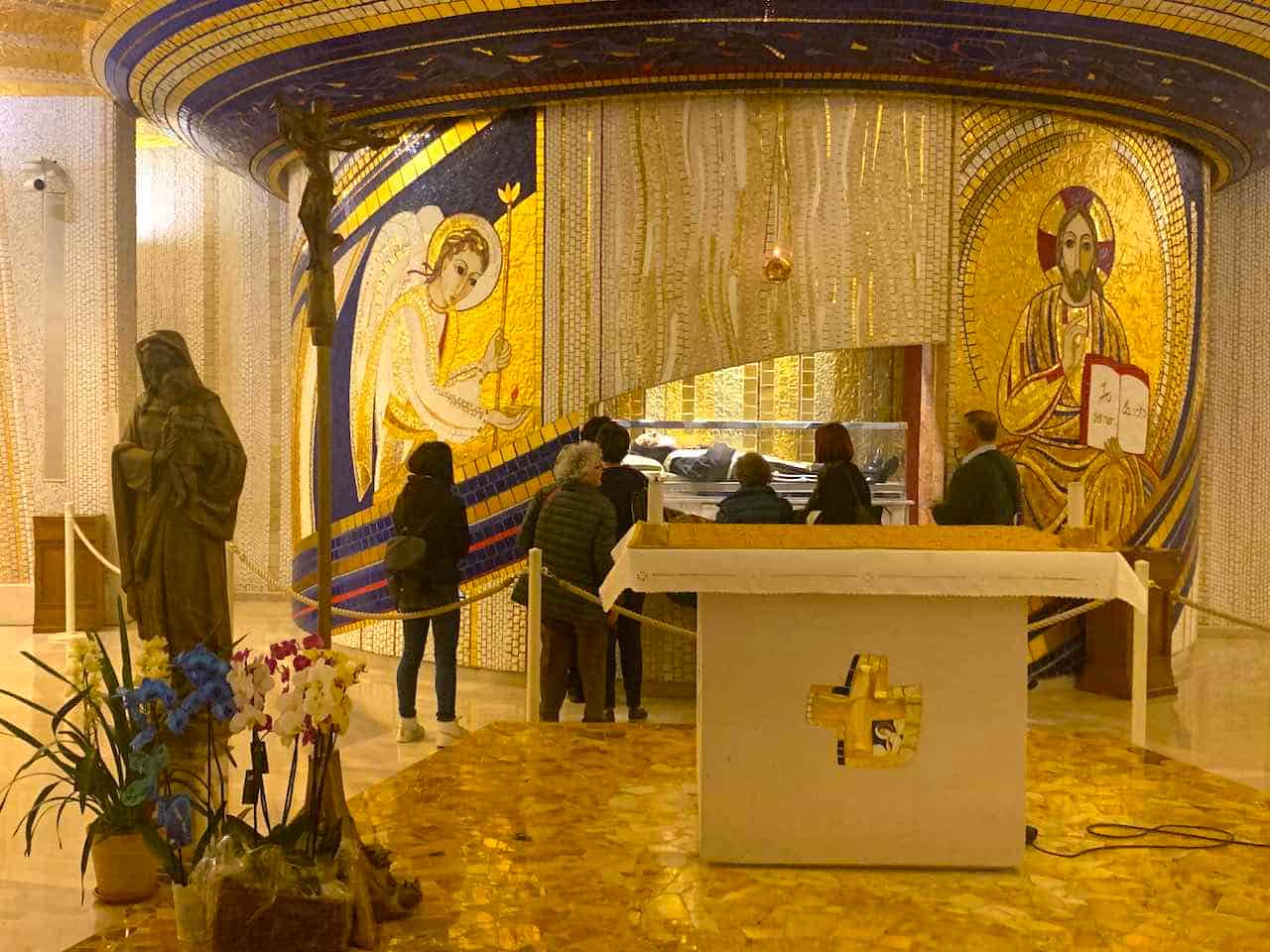
The final resting place of the saint decorated with golden mosaics.
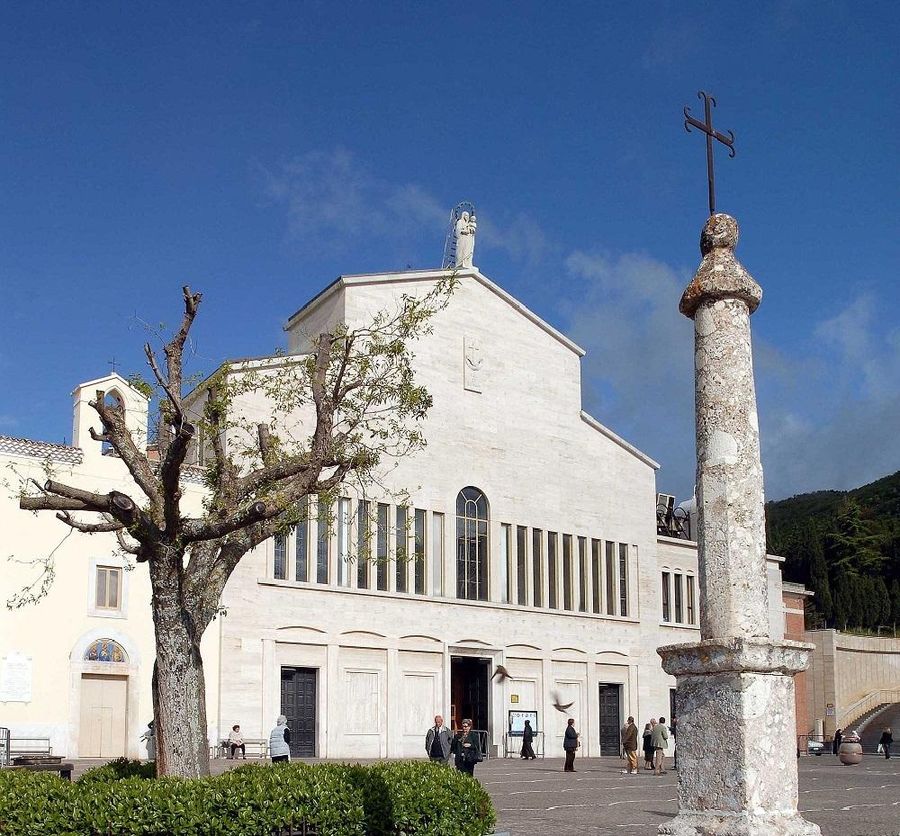
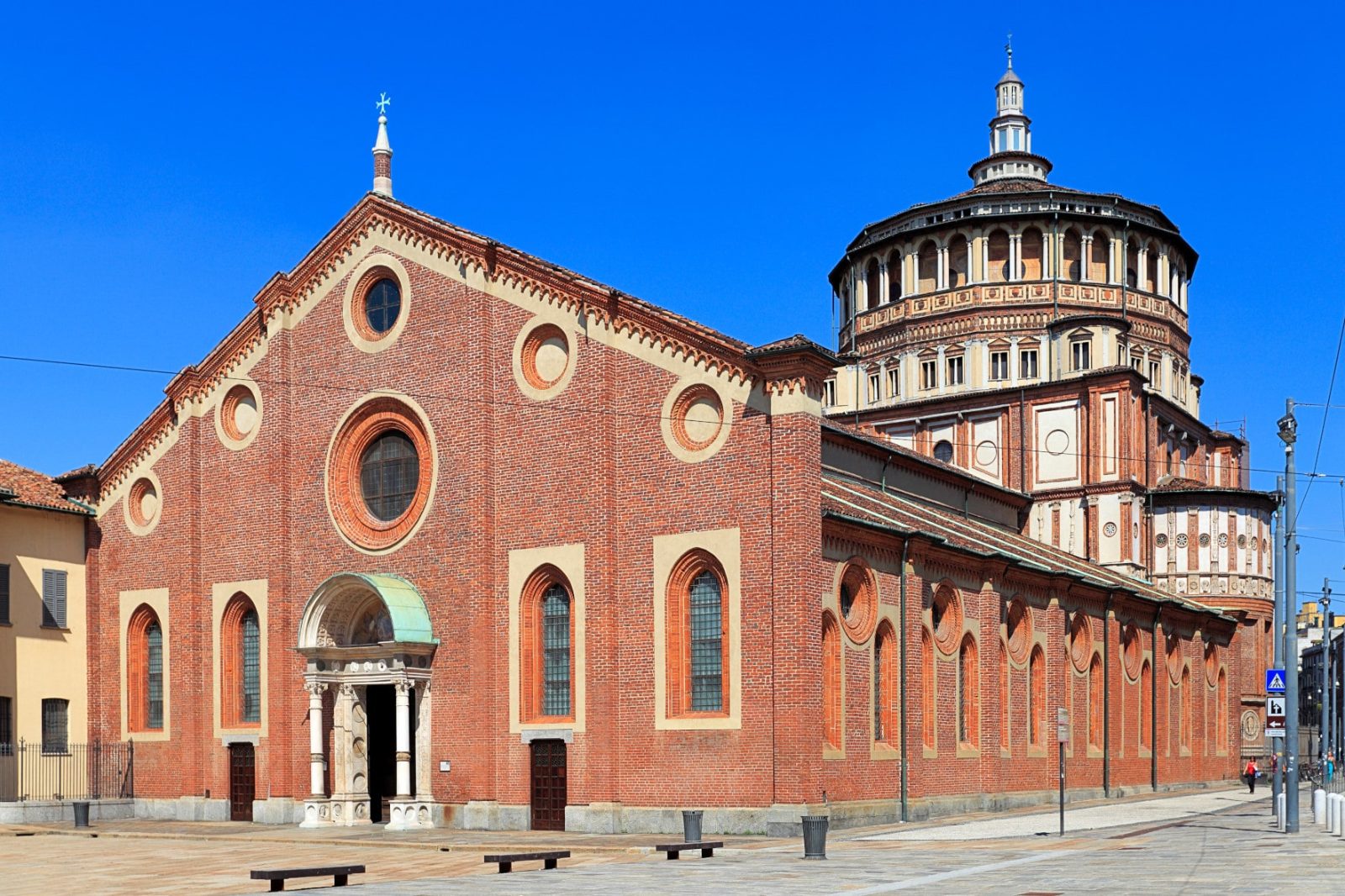
The original 16th-century church at the heart of the complex.
You leave Rome in darkness, the coach threading east through the Apennines as the sky pales over the hills. By mid-morning you are in Apulia, the road climbing into the Gargano foothills where San Giovanni Rotondo sprawls across a ridge of white stone.
The sanctuary complex appears suddenly — Piano's limestone drum rising beside the old convent, its spiral form unmistakable against the pines.
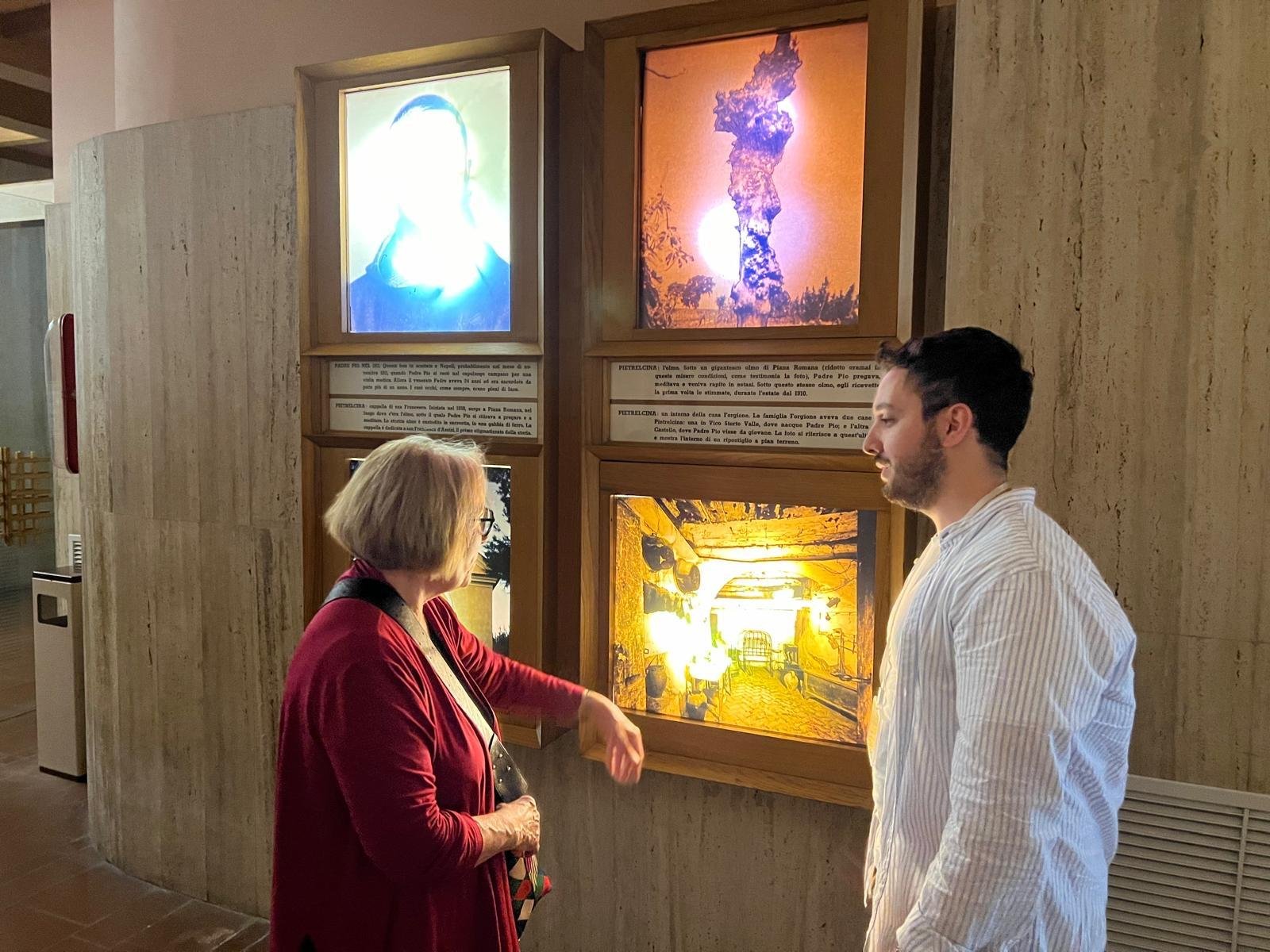
You enter through the lower plaza and descend the long ramp into the crypt, where thin shafts of daylight stripe the stone floor. Padre Pio's tomb occupies a side chapel; you pause at the low bronze gate, the air cool and still, the walls inscribed with petitions in Italian, Polish, English, Portuguese. Returning to ground level, you cross to the Chiesa di Santa Maria delle Grazie, its baroque interior dim and worn, the wooden confessional where the friar sat for hours each day cordoned behind velvet rope. On the upper floor of the monastery, his cell is visible through a glass partition — narrow bed, folded habit, a single chair.
Outside, the Via Crucis path winds through the pines, fourteen bronze stations marking the route. Some pilgrims walk it in silence; others gather in small groups, murmuring prayers. By early afternoon the plaza is crowded, and you return to the coach for the long drive back across the mountains to Rome.
All the details about your upcoming adventure in one place
The crypt beneath Renzo Piano's circular stone church holds the incorrupt body of Francesco Forgione, a Capuchin friar who bore the wounds of Christ for fifty years and died in 1963 at the monastery where he first arrived in 1916.
Canonized in 2002 by Pope John Paul II, Padre Pio drew millions to San Giovanni Rotondo during his lifetime, and the pilgrimage traffic has only intensified since his death — today the Sanctuary of Saint Pio of Pietrelcina receives more than seven million visitors annually, making it one of the most-visited Catholic sites in the world after the Vatican and Lourdes.
The original Chiesa di Santa Maria delle Grazie, a modest sixteenth-century convent church where Padre Pio celebrated daily Mass and heard confessions in a wooden stall for decades, remains at the heart of the complex. The friar's cell, preserved behind glass on the upper floor of the adjacent monastery, is spare and small — a narrow bed, a writing table, a crucifix — and conveys the asceticism that defined his life. In 2004, the new sanctuary designed by Renzo Piano was consecrated by Pope Benedict XVI, its sweeping spiral plan accommodating six thousand worshippers beneath a limestone exterior quarried from the surrounding Gargano massif. The crypt, reached by a wide ramp that descends from the main nave, is lit by thin vertical skylights; Padre Pio's tomb occupies a side chapel whose stone walls are inscribed with prayers in dozens of languages.
Pilgrims arrive from across Italy and beyond, many travelling from Rome on padre pio shrine tour from rome day trips that depart before dawn and return after dark. The drive east crosses the Apennines and descends into Apulia, a journey of roughly four and a half hours each way. Guided excursions typically include time in the old church, the crypt, and the Via Crucis path that winds through pine groves behind the monastery, as well as optional visits to the nearby Grotta di San Michele in Monte Sant'Angelo, a cave sanctuary where the Archangel Michael is said to have appeared in the fifth century. The shrine is open daily from six in the morning until seven in the evening, and entry is free, though the crowds swell by mid-morning and remain dense through the afternoon. For those seeking a contemplative visit, the earliest hours offer quieter access to the crypt and the friar's cell, before the tour coaches arrive from the coast and the interior.
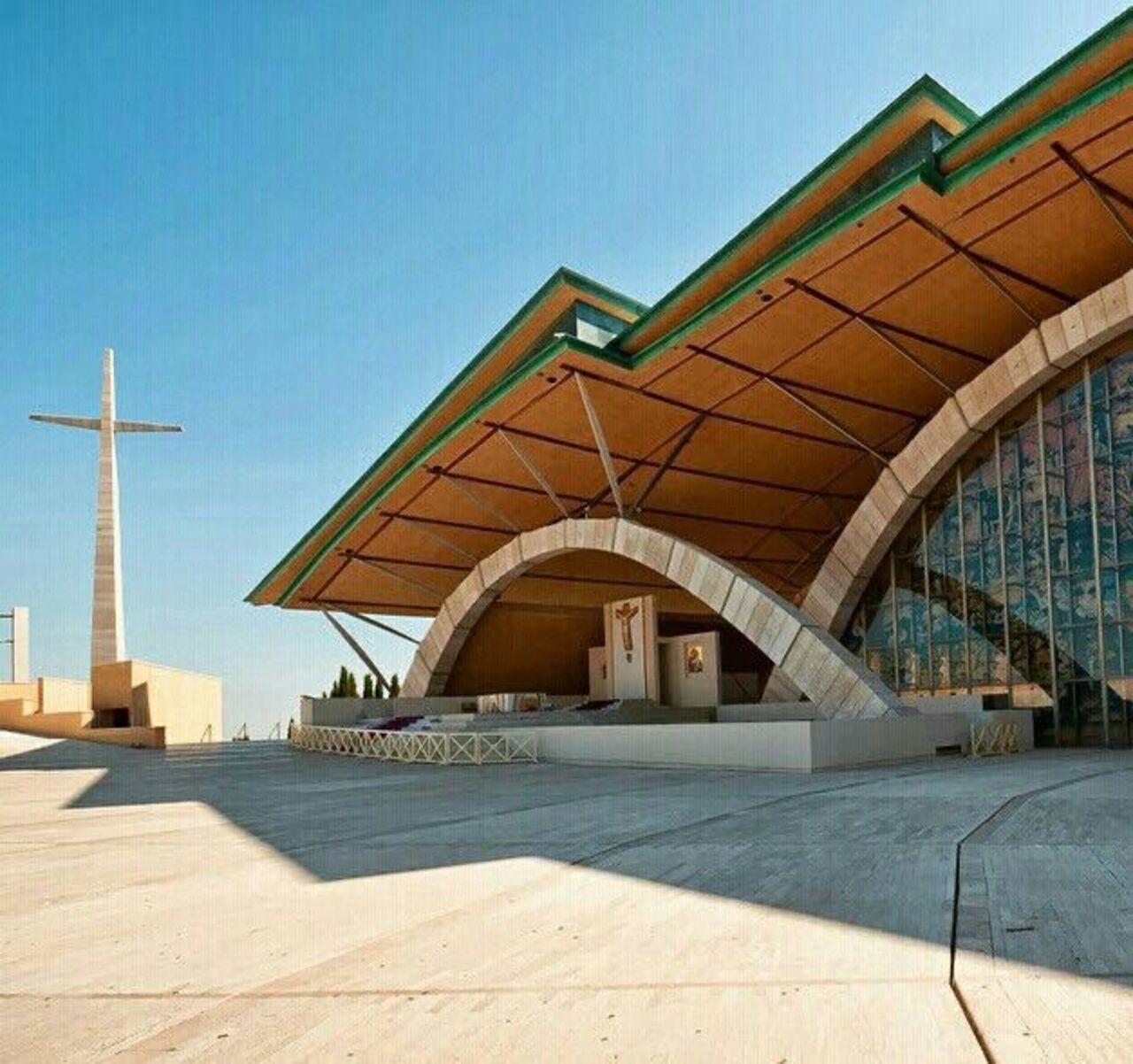
The crypt beneath Renzo Piano's circular stone church holds the incorrupt body of Francesco Forgione, a Capuchin friar who bore the wounds of Christ for fifty years.
Modest attire is required for the Sanctuary of Saint Pio of Pietrelcina. Shoulders and knees must be covered to enter sacred areas.
Security checks may occur at entry points. Small personal bags are permitted for a padre pio shrine tour from rome.
Non-flash photography is generally allowed in public areas of the Sanctuary of Saint Pio of Pietrelcina. Always respect ongoing prayer services.
The site is family-friendly and open to visitors of all ages. Children must remain supervised while inside the Sanctuary of Saint Pio of Pietrelcina.
The modern church and the old friary complex are accessible via ramps and elevators. Staff can assist visitors requiring mobility support during a padre pio shrine tour from rome.
Consumption of food and drinks is prohibited inside the sanctuary buildings. Visitors on a padre pio shrine tour from rome should utilize exterior designated areas.
Opening Hours
06:00–19:00
Address
Piazzale Santa Maria delle Grazie, 71013 San Giovanni Rotondo FG, Italy
Accessibility
Full access to the church and crypt
Arrival Recommendation
07:00–10:00
Storage
Not available on site
Navigation
Sanctuary of Saint Pio of Pietrelcina complex
Public transport · 90 min · Approx 5 EUR
Regional bus lines connect Foggia station to San Giovanni Rotondo.
Car · Variable · Varies by fuel
Follow signs for San Giovanni Rotondo; public parking is available near the site.
Since entrance is 0 EUR (Free entry), no cancellation fees apply to the sanctuary itself. Private tour operators manage their own refund windows.
Recommended time
3-5 hours
Most pilgrims find that a padre pio shrine tour from rome requires three to five hours to fully experience the sanctuary and crypt. Arriving early allows you to explore the church and the burial place of the saint before the mid-day surge, which is common for any San Giovanni Rotondo tour. If you are participating in guided padre pio shrine tour from rome tours, factor in extra time for group movement, whereas independent visitors often need less time to navigate the site. Those requiring padre pio shrine tour from rome tickets for specialized guided access should confirm meeting times to avoid peak afternoon congestion.
Crowd levels through the day
Weather · crowds · average price — dots go green to amber to red as each metric rises.
Mild temperatures and thinner crowds make for a peaceful pilgrimage experience.
Expect high temperatures and peak crowds; plan your padre pio shrine tour from rome early.
Comfortable weather ideal for walking between religious sites.
Cooler weather with fewer international tourists at the Sanctuary of Saint Pio of Pietrelcina.
Arrive between 07:00–10:00 to avoid mid-day peak crowds during your padre pio shrine tour from rome.
Keep conversations low to preserve the sacred atmosphere of the Sanctuary of Saint Pio of Pietrelcina.
Review Mass times locally as they may impact access to specific chapels during your padre pio shrine tour from rome.
The padre pio shrine tour from rome traces its roots to a humble Capuchin friary founded in 1540 by Franciscan friars seeking solitude in the remote hills of San Giovanni Rotondo. The original Santa Maria delle Grazie church, consecrated in 1676, remained a modest provincial sanctuary for centuries. Everything changed in 1916 when a young priest named Francesco Forgione—known as Padre Pio—arrived suffering from tuberculosis. In 1918, Padre Pio received the stigmata, visible wounds matching Christ's crucifixion marks, a phenomenon that would define his life and draw pilgrims from across Europe. Vatican investigations followed, with Rome imposing restrictions on his ministry between 1923 and 1933 amid skepticism and controversy. Despite ecclesiastical scrutiny, devotion intensified. By the 1950s, tens of thousands arrived annually, overwhelming the small friary. Padre Pio himself championed the construction of the Casa Sollievo della Sofferenza hospital, inaugurated in 1956 as a modern medical facility funded entirely by donations. When he died in 1968, over 100,000 mourners attended his funeral. Canonization came in 2002 under Pope John Paul II, formally recognizing the Capuchin friar as Saint Pio of Pietrelcina. The modest church could no longer accommodate the flood of pilgrims—two million visited annually by the early 2000s. Renzo Piano, the Pritzker Prize-winning architect, was commissioned to design a vast new sanctuary. Completed in 2004, the Chiesa di San Pio seats 6,500 worshippers under a soaring stone-and-concrete shell that evokes both a seashell and open arms. The original Santa Maria delle Grazie remains intact, preserving Padre Pio's confessional and the choir loft where he prayed through the night. Today, visitors on padre pio shrine tour from rome tours encounter a dual pilgrimage: the intimate Franciscan cloister where the saint lived and the monumental Piano structure that transformed San Giovanni Rotondo into one of Catholicism's most visited shrines, rivaling Lourdes and Fátima in annual attendance.
Capuchin friars establish a small friary in San Giovanni Rotondo, laying the foundation for centuries of Franciscan presence.
The church of Santa Maria delle Grazie is consecrated, serving as the spiritual heart of the remote mountain community.
Padre Pio arrives at the friary, beginning a fifty-two-year ministry that would transform the site into a global pilgrimage destination.
Padre Pio receives the stigmata on September 20, visible wounds that attract both devotion and Vatican scrutiny.
Casa Sollievo della Sofferenza hospital opens, fulfilling Padre Pio's vision of healing ministry through modern medicine.
Padre Pio dies on September 23; his funeral draws over 100,000 mourners from across Europe.
Pope John Paul II canonizes Padre Pio, affirming his sanctity and accelerating pilgrimage growth.
Renzo Piano's Chiesa di San Pio is consecrated, a 6,500-seat modernist sanctuary designed to accommodate millions of annual visitors.
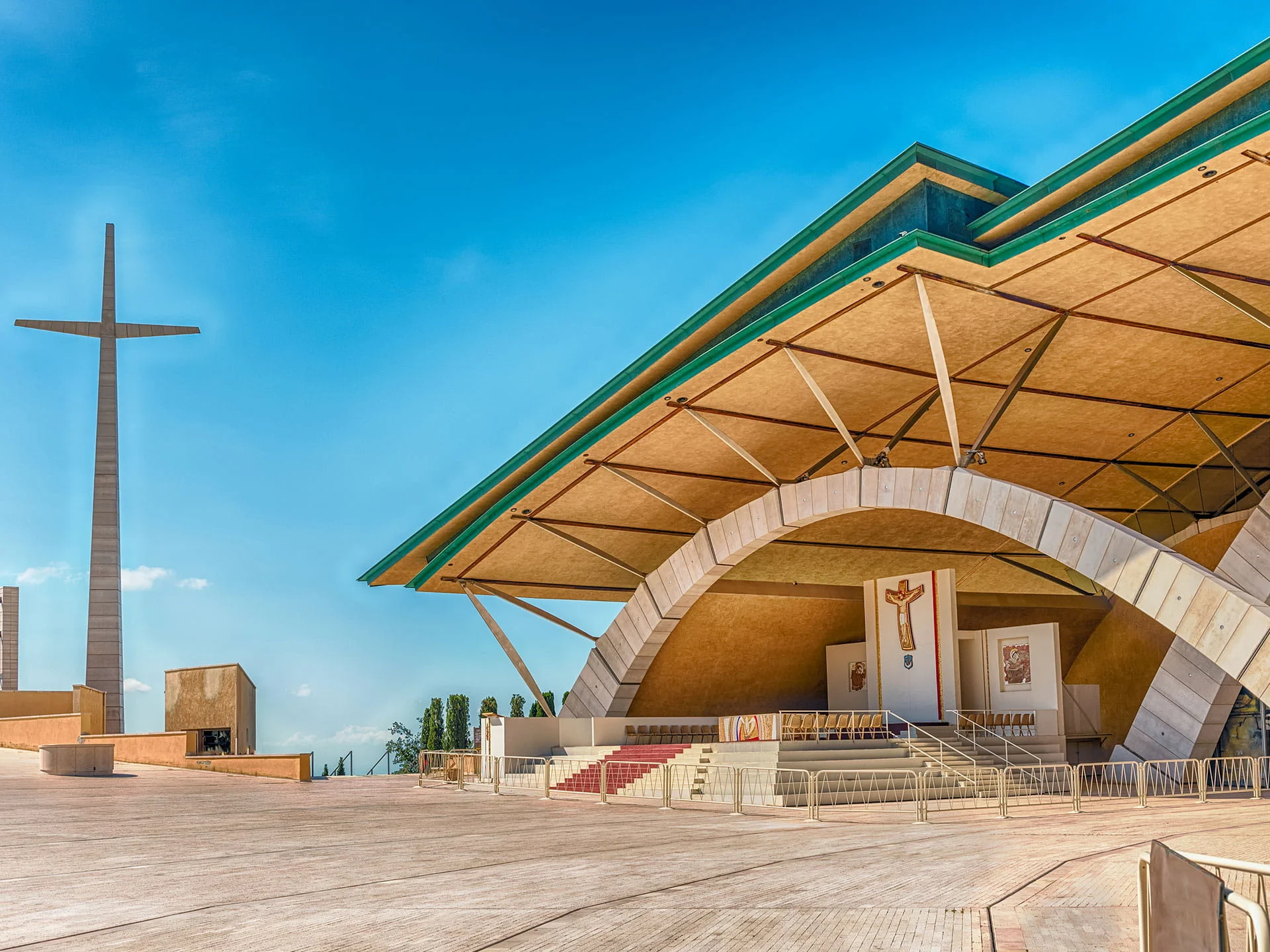
Stand in the wide, paved courtyard to capture the massive limestone arches and the contemporary architectural design by Renzo Piano. This area offers the perfect perspective for a wide-angle shot of the structure against the sky.
This historic site, the original sanctuary, provides a humble and reflective interior aesthetic where Padre Pio celebrated mass. When undertaking a padre pio shrine tour from rome, capture the intimate atmosphere of the altar and side chapels.
Position yourself near the bronze statue of Saint Pio to frame the modern basilica and the surrounding hillside landscape. This vantage point helps travelers document their San Giovanni Rotondo pilgrimage experience.
Walk to the edge of the sanctuary grounds to view the sprawling town of San Giovanni Rotondo cascading down the hillside. These padre pio shrine tour from rome tours offer unique angles of the Apulian landscape from the elevated religious complex.
Capture the approach to the sanctuary along this tree-lined path, which provides a classic frame for the church facade as you begin your padre pio shrine tour from rome ticketed visit.
Planning a padre pio shrine tour from rome allows families to explore this significant site of faith at a relaxed, manageable pace. The spacious grounds of the Sanctuary of Saint Pio of Pietrelcina offer a serene environment that can be a meaningful experience for visitors of all ages.
The sanctuary is largely accessible for families with strollers, allowing you to move through the expansive new basilica and surrounding piazzas with ease. Navigating the modern architecture of the site is generally straightforward for parents with young children in tow.
We recommend arriving between 07:00–10:00 to avoid mid-day peak crowds and experience a quieter atmosphere for prayer. This early visit helps ensure a calm experience for children before the site reaches its busiest hours.
Since there is no entrance fee (0 EUR), you can enjoy the flexibility to linger or take breaks without pressure. Take time to explore the historic old church and the modern sanctuary at a speed that suits your family's needs.
While in San Giovanni Rotondo, you will find a welcoming local culture with traditional trattorias perfect for a leisurely family lunch. The town is well-accustomed to visitors, making it a practical stop for a padre pio shrine tour from rome tour.
Visitors embarking on a padre pio shrine tour from rome will find several convenient dining options located just steps from the sanctuary grounds. While many choose to dine in the surrounding piazzale, local establishments offer simple regional fare perfect for those on a strict travel schedule.
Located nearby, this restaurant offers traditional Italian dishes in a comfortable setting. It is a reliable choice for lunch during your padre pio shrine tour from rome tour.
Everything you need to know for your journey
The site is open daily from 06:00–19:00, with a 07:00 opening on Wednesdays.
Entry to the Sanctuary of Saint Pio of Pietrelcina is 0 EUR (Free entry).
To avoid crowds, schedule your padre pio shrine tour from rome between 07:00–10:00.
Modest clothing covering shoulders and knees is mandatory for all visitors.
Small bags are allowed, but large luggage is generally not permitted during a padre pio shrine tour from rome.
Yes, the Sanctuary of Saint Pio of Pietrelcina is fully equipped with elevators and ramps.
Travel by train to Foggia followed by a local bus or private transfer for your padre pio shrine tour from rome.
Yes, you may take photos without flash, provided you do not disturb others.
No, food and drinks are not allowed inside the Sanctuary of Saint Pio of Pietrelcina buildings.
Yes, paid public parking is located within walking distance of the entrance.
The historic residence of the Saint.
Outdoor stations of the cross pathways.
High-end lodging near the sanctuary.
Convenient guesthouses for visitors.
Join thousands of happy travelers who have discovered this incredible experience
Book Your Experience Now